

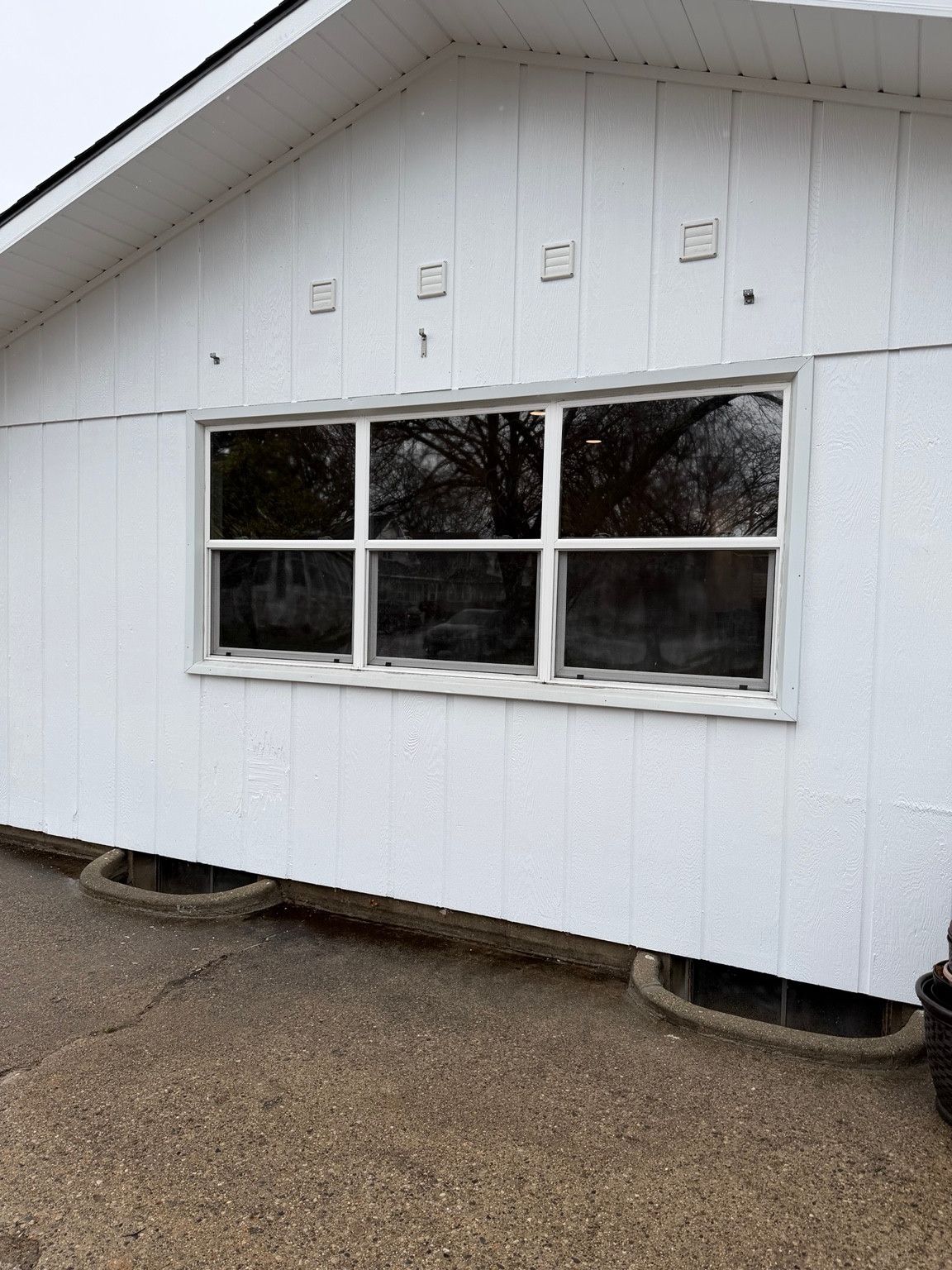
See how NuVue installed UV-protective window film at a Grand Haven studio to help protect merchandise from sunlight without replacing the existing glass.
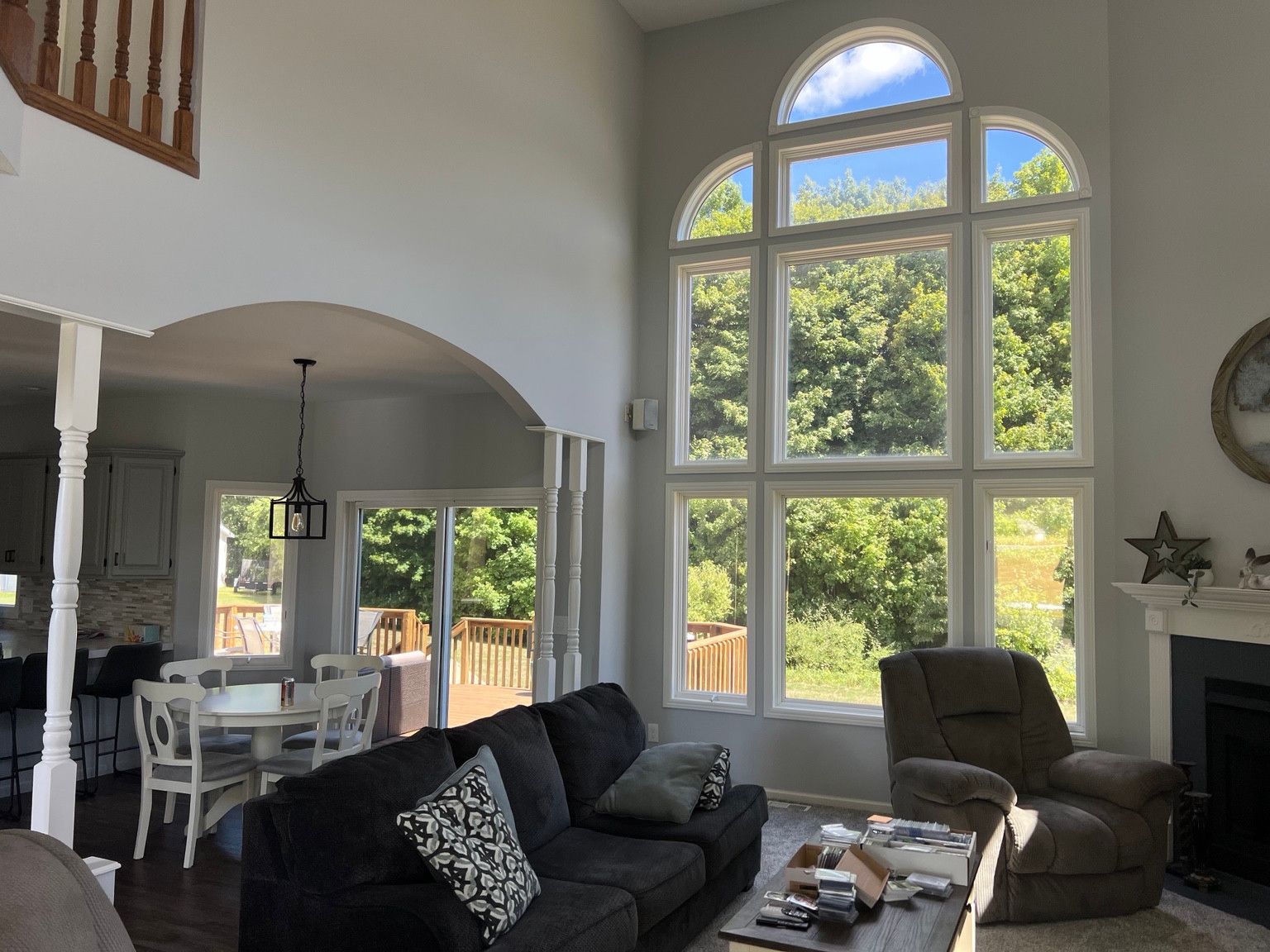
Get your home or office ready for window film installation with a simple checklist for moving furniture, clearing the glass, and planning access.
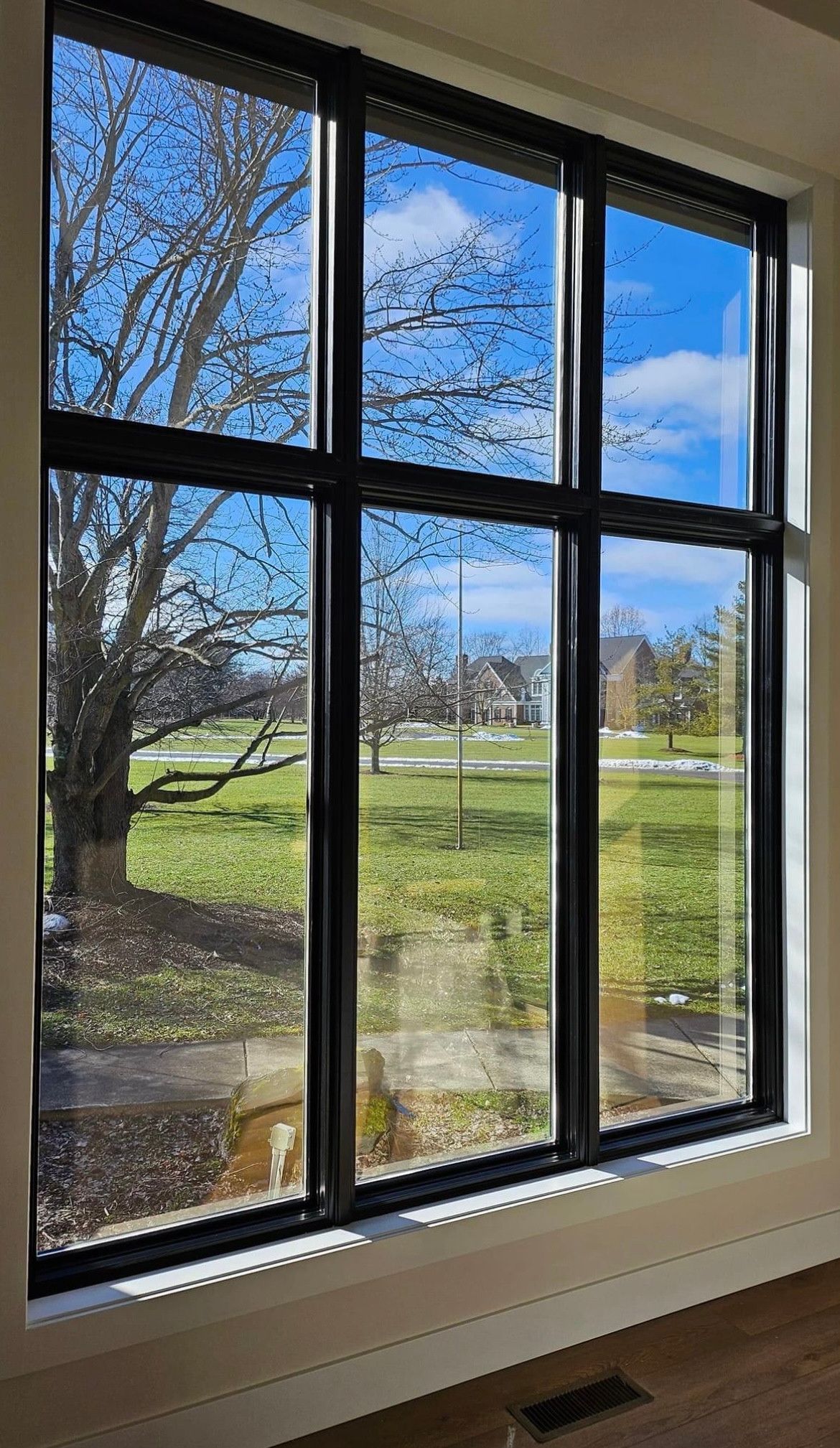
Before and after at a Grand Rapids home
See which four photos help a window film installer understand your glass, glare or privacy goals before an on-site quote in West Michigan.
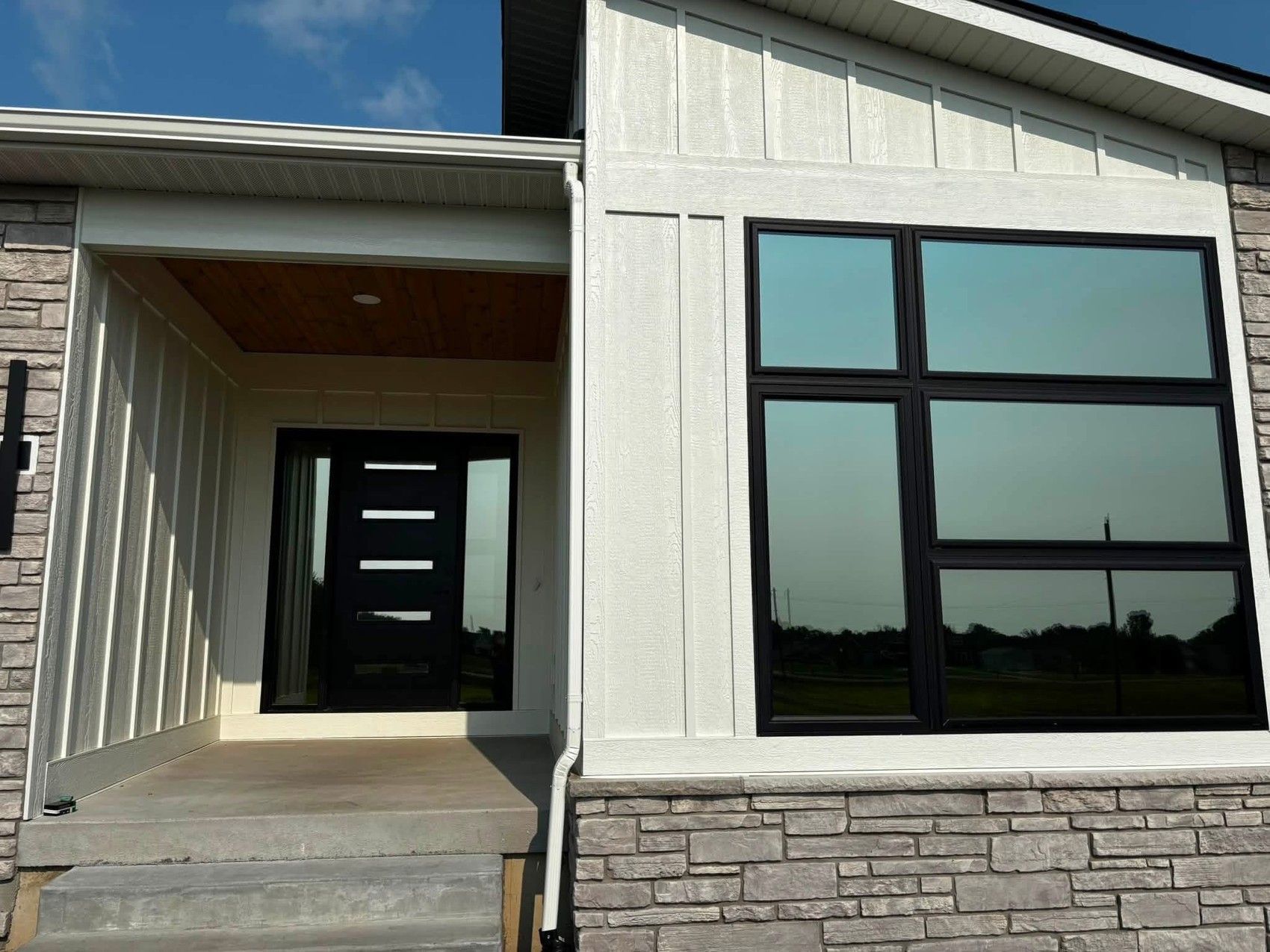
Learn what an old window film removal quote should cover, from adhesive cleanup to replacement film, glass compatibility and hard-to-reach panes.

From the NuVue archives: originally published November 15, 2019.

Originally published November 15, 2019.
A bright golf simulator screen can lose contrast in daylight. Learn when window film helps, when to use shades, and how to test your room before choosing.
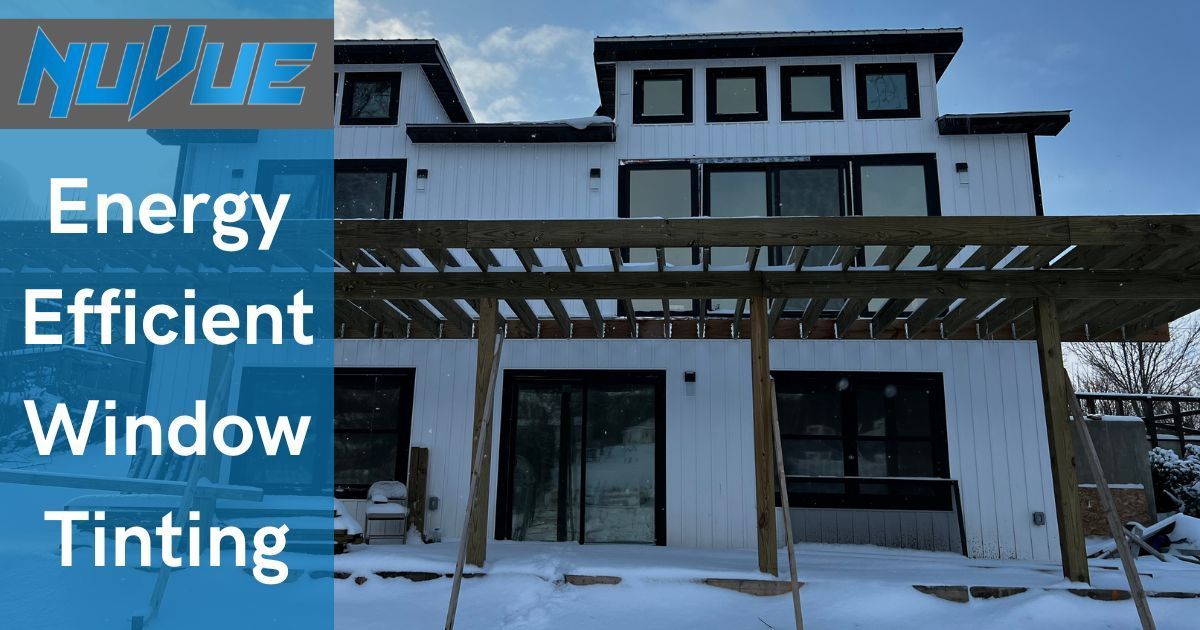
There’s nothing quite like a beautiful window in a home, with natural light pouring into the room and if you’re lucky, a beautiful view...
Discover how Low-E window film can help Michigan homeowners reduce heat loss, improve comfort, and protect interiors year-round.